Daniel Classen
Managing Director

8.2 independently monitors and analyses condition monitoring systems (CMS) of wind energy plants with decades of experience. We identify damage at an early stage and provide specific recommendations for action.
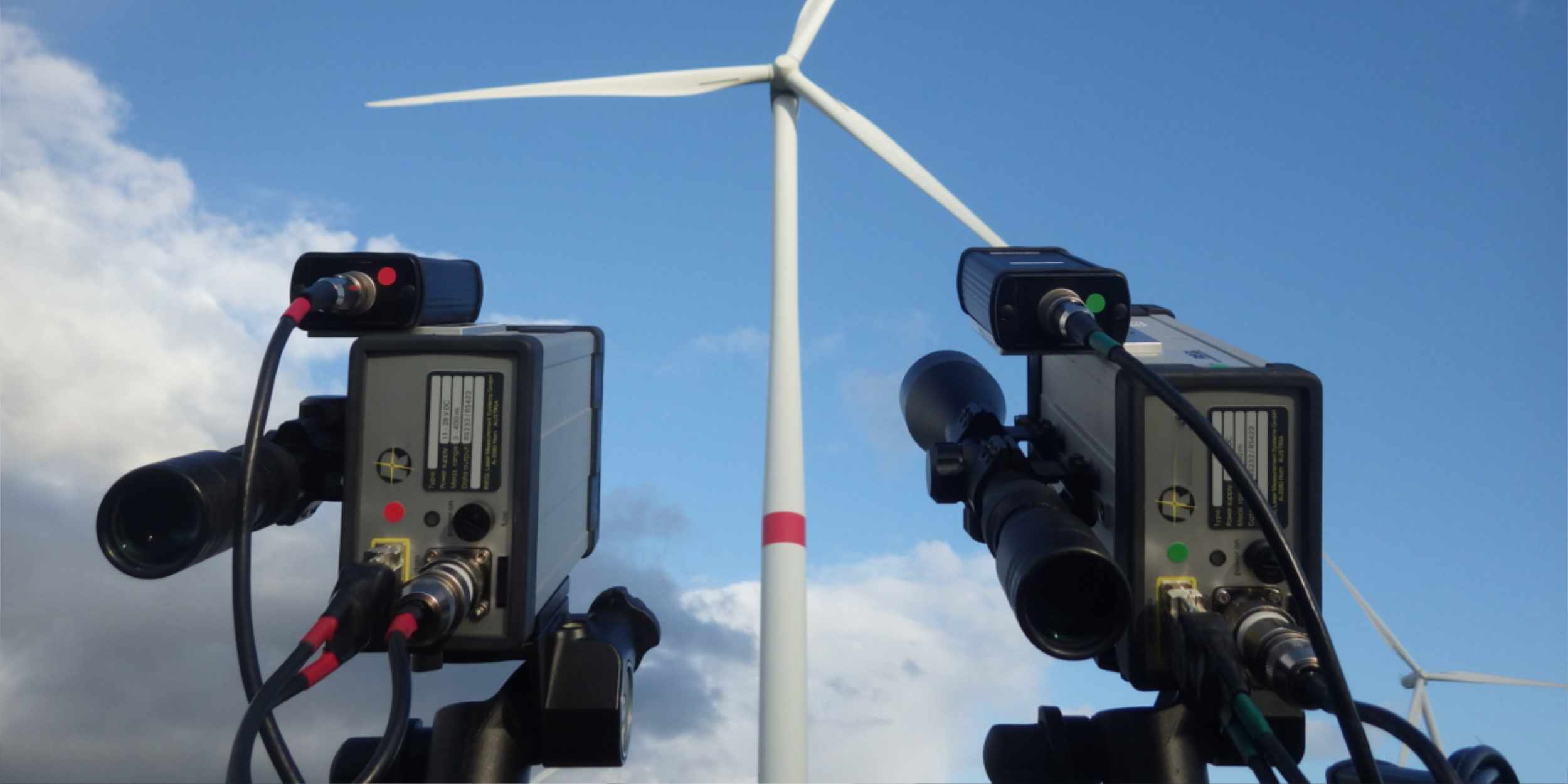
Identifying potential problems in wind turbine blades before they become major problems, with potentially catastrophic effects, is a growing focus of condition monitoring for 8.2. The condition monitoring technology traditionally used to monitor the powertrain is now also being used to identify hard-to-detect defects on rotor blades.
The rotor blades of wind turbines, which are often more than 50 meters long, have various weak points. The most common problems include holes on the tips of the leaves, damage to the adhesive sites, cracks in the internal structure and erosion on the surface. Monitoring these areas requires an understanding of how the various blades are made, depending on the manufacturer and design. The goal of monitoring the state of the rotor blades is to address these serial problems with similar turbine models and not to eliminate every potential problem.
Effective blade health monitoring follows three principles: It targets specific types of faults, uses additional measurement data that goes beyond SCADA data, and ensures that the solution works on a large scale for thousands of turbines worldwide. To achieve this, the CMS must be durable, easy to install and work efficiently even under difficult weather conditions.
A central source of error is the blade pin insert, to which the blades are attached to the hub via bolts. If the bushing holding the bolt loosens, this can lead to fatigue but also to catastrophic loss of the rotor blade (including subsequent damage). Repairing such damage is difficult and often requires a complete replacement of the rotor blade. Catastrophic outages can bring entire wind farms to a standstill, which sometimes leads to government intervention.
Although visual inspections and drone inspections are common, these are costly and can overlook hidden cracks or defects. 8.2 uses the EcoPitch monitoring system, which monitors the integrity of the leaf bolt connection and controls around 3,000 blades worldwide. This system can identify problems early on and enable repairs before they become serious.
Adapting strain sensors, which were originally developed for leaf bearings, to monitor leaf cracks is part of the ongoing development of the CMS.
By extending predictive maintenance to monitoring rotor blades, wind farm operators can reduce the often considerable unplanned repair costs and thus make their operation more efficient.
Our team helps you select, install and monitor CMS — reducing downtime and costs for your system!
Meet our team in Hamburg!
Hamburg WindEnergy 2024

Find out how we can help you find and implement sustainable energy solutions.